Alcohol use information
Understanding Alcoholism: The Profound Impact of Alcohol on Mental Health
Explore how alcoholism affects mental health, the cycle of addiction, and effective treatment options for recovery.

Alcoholism is not merely a physical dependency on alcohol; it is a complex condition that intertwines with various aspects of mental health. Understanding the intricate relationship between Alcoholism is not merely a physical dependency on alcohol; it is a complex condition that intertwines with various aspects of mental health. Understanding the intricate relationship between alcoholism and mental well-being is crucial for those affected and their loved ones. As individuals consume alcohol, they may initially experience feelings of relaxation and euphoria, but these effects can quickly spiral into a cycle of dependency that exacerbates underlying mental health issues. The impact of alcohol on mental health is profound and multifaceted. For many, alcohol serves as a temporary escape from stress, anxiety, or depression.
However, this coping mechanism often leads to a deterioration of mental health over time. Chronic alcohol consumption can alter brain chemistry, leading to increased feelings of sadness, irritability, and anxiety. Furthermore, the social stigma surrounding alcoholism can prevent individuals from seeking help, perpetuating a cycle of isolation and despair. In addition to the immediate effects on mood and cognition, long-term alcohol abuse can result in significant psychological consequences. Individuals struggling with alcoholism may find themselves trapped in a vicious cycle where their drinking exacerbates their mental health issues, which in turn drives them to drink more.
This relationship highlights the importance of addressing both alcoholism and mental health in treatment plans. By understanding how these two elements interact, we can better support those in need and promote healthier coping strategies. As we delve deeper into the effects of alcohol on mental health throughout this article, it becomes evident that awareness and education are key components in combating alcoholism. By equipping ourselves with alcoholism information, we can foster a more compassionate understanding of this condition and encourage those affected to seek the help they deserve.
What is Alcoholism?
Alcoholism, also known as alcohol use disorder (AUD), is a chronic disease characterized by an inability to control or stop drinking despite the negative consequences it may bring. This condition can manifest in various forms, each with its own set of challenges and implications for mental health.Definition of Alcoholism
At its core, alcoholism is defined by a compulsive pattern of alcohol consumption that leads to significant impairment or distress.
The Diagnostic and Statistical Manual of Mental Disorders (DSM-5) outlines specific criteria for diagnosing AUD, which include:
- Inability to cut down or control alcohol use
- Cravings for alcohol
- Neglecting responsibilities at work, school, or home due to drinking
- Continuing to drink despite experiencing social or interpersonal problems
- Developing tolerance, requiring more alcohol to achieve the same effects
- Experiencing withdrawal symptoms when not drinking
Types of Alcoholism
Alcoholism can be categorized into several types, each reflecting different patterns of behavior and severity:
- Binge Drinking: This involves consuming large quantities of alcohol in a short period, often leading to intoxication and risky behaviors.
- Chronic Alcoholism: Individuals with chronic alcoholism drink heavily over an extended period, often leading to physical dependence and severe health issues.
- Functional Alcoholism: These individuals may maintain their daily responsibilities while still engaging in problematic drinking behaviors.
- Late-Onset Alcoholism: This type typically develops later in life, often triggered by stressors such as retirement or loss of loved ones.
Symptoms of Alcoholism
The symptoms of alcoholism can vary widely among individuals but generally include:
- Increased Tolerance: Needing more alcohol to feel its effects.
- Withdrawal Symptoms: Experiencing physical symptoms such as nausea, sweating, shaking, or anxiety when not drinking.
- Neglecting Responsibilities: Failing to fulfill obligations at work or home due to drinking.
- Social Isolation: Withdrawing from friends and family in favor of drinking alone.
- Continued Use Despite Consequences: Persisting in drinking even when it leads to health problems or relationship issues.
The Science Behind Alcohol and Mental Health
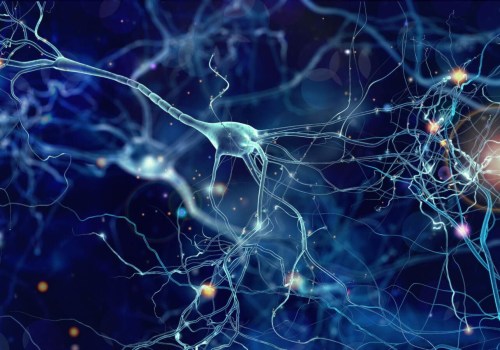
Understanding the intricate relationship between alcohol and mental health requires a closer look at the biological mechanisms involved. Alcohol, a central nervous system depressant, affects the brain in various ways, leading to significant changes in both brain chemistry and function. When consumed, alcohol rapidly enters the bloodstream and reaches the brain, where it interacts with neurotransmitters—chemical messengers that transmit signals between nerve cells. One of the primary neurotransmitters affected by alcohol is gamma-aminobutyric acid (GABA). GABA is an inhibitory neurotransmitter that helps to calm neuronal activity.Alcohol enhances GABA's effects, leading to increased feelings of relaxation and reduced anxiety in the short term. However, this can also result in impaired cognitive functions and motor skills. Conversely, alcohol inhibits the release of glutamate , an excitatory neurotransmitter responsible for stimulating brain activity. This dual action—enhancing GABA while inhibiting glutamate—creates a sedative effect that can lead to temporary relief from stress or anxiety. However, chronic alcohol consumption disrupts this balance, leading to long-term alterations in brain chemistry. Over time, the brain adapts to the presence of alcohol by reducing its natural production of GABA and increasing glutamate levels.
This adaptation can result in heightened anxiety and mood disorders when not under the influence of alcohol, as the brain struggles to maintain equilibrium without the substance. This phenomenon is often referred to as alcohol withdrawal syndrome , where individuals experience heightened anxiety, irritability, and depression when they attempt to reduce or stop drinking. Moreover, chronic alcohol use can lead to structural changes in the brain. Studies have shown that long-term alcohol abuse can shrink areas of the brain responsible for memory and learning, such as the hippocampus. This shrinkage can contribute to cognitive deficits and memory problems often observed in individuals with alcoholism. The connection between alcohol and mental health is further complicated by genetic factors.
Some individuals may have a genetic predisposition that makes them more susceptible to developing mental health issues when consuming alcohol. For instance, variations in genes related to neurotransmitter systems can influence how one metabolizes alcohol and experiences its effects. In summary, the science behind how alcohol impacts mental health reveals a complex interplay of neurotransmitter activity, structural brain changes, and genetic predispositions. Understanding these mechanisms is crucial for recognizing the risks associated with alcohol consumption and addressing mental health challenges effectively.
Alcoholism and Its Psychological Effects
Alcoholism is not merely a physical dependency on alcohol; it profoundly impacts an individual's psychological well-being. The relationship between alcohol and mental health is complex, with alcohol often serving as both a symptom and a catalyst for various psychological disorders. One of the most significant psychological effects of alcoholism is its strong association with depression.Many individuals who struggle with alcohol use disorder (AUD) report feelings of sadness, hopelessness, and a lack of interest in activities they once enjoyed. This can create a vicious cycle: individuals may drink to cope with their depressive symptoms, but alcohol can exacerbate these feelings, leading to increased consumption and worsening mental health. Similarly, anxiety disorders are prevalent among those with alcoholism. Alcohol may initially provide temporary relief from anxiety symptoms, but over time, it can lead to heightened anxiety levels. Withdrawal from alcohol can also trigger severe anxiety symptoms, making it challenging for individuals to break free from their addiction. In addition to depression and anxiety, alcoholism is linked to a range of other mental health disorders, including:
- Bipolar Disorder: Alcohol can complicate the management of bipolar disorder, leading to more frequent mood swings and episodes.
- Post-Traumatic Stress Disorder (PTSD): Individuals with PTSD may turn to alcohol as a coping mechanism, which can worsen their symptoms and hinder recovery.
- Personality Disorders: Alcoholism can exacerbate traits associated with personality disorders, leading to impulsive behavior and difficulties in relationships.
Recognizing these psychological consequences is crucial for effective treatment. Effective treatment plans should address both the physical and psychological aspects of alcoholism. This often includes therapy options such as cognitive-behavioral therapy (CBT), which helps individuals understand the connection between their thoughts, feelings, and behaviors related to alcohol use. Additionally, support groups like Alcoholics Anonymous (AA) provide a community for individuals seeking recovery while addressing underlying mental health issues. In conclusion, understanding the psychological effects of alcoholism is vital for both individuals struggling with addiction and their loved ones. By acknowledging the links between alcohol use and mental health disorders such as depression and anxiety, we can foster a more compassionate approach to treatment and recovery.
The Cycle of Alcoholism and Mental Health Issues
The relationship between alcoholism and mental health is often described as a vicious cycle, where each condition exacerbates the other.Understanding this cycle is crucial for those seeking effective treatment and recovery strategies. Initially, individuals may turn to alcohol as a means of coping with stress, anxiety, or depression. This behavior can provide temporary relief, leading them to believe that alcohol is a solution to their problems. However, this reliance on alcohol can quickly spiral into addiction. As consumption increases, the brain's chemistry begins to change, leading to heightened feelings of anxiety and depression when not drinking. Moreover, the effects of alcohol on the brain can impair judgment and emotional regulation.
This impairment can result in poor decision-making and increased conflict in personal relationships, further contributing to feelings of isolation and despair. The more an individual drinks to escape these negative emotions, the deeper they fall into the cycle of alcoholism. Withdrawal symptoms can also play a significant role in this cycle. When someone with alcoholism attempts to reduce or stop drinking, they may experience severe anxiety, irritability, and mood swings. These symptoms can be so overwhelming that they often lead individuals back to drinking as a form of self-medication. Additionally, chronic alcohol use can lead to long-term changes in brain structure and function.
Research indicates that prolonged exposure to alcohol can damage areas of the brain responsible for mood regulation and cognitive function. This damage can manifest as persistent mental health issues, including chronic depression and anxiety disorders. To break this cycle, it is essential for individuals struggling with alcoholism to seek comprehensive treatment that addresses both their addiction and underlying mental health issues. Holistic approaches that incorporate therapy, support groups, and lifestyle changes can be particularly effective. By understanding the interconnectedness of alcoholism and mental health, individuals can take proactive steps toward recovery and improve their overall well-being.
Recognizing the Signs of Alcoholism-Related Mental Health Issues
Recognizing the signs of alcoholism-related mental health issues is crucial for early intervention and effective treatment.Many individuals may not be aware that their drinking habits are affecting their mental well-being, making it essential to identify the symptoms that indicate a problem. Here are some key signs to watch for:
- Increased Tolerance: A person may find that they need to consume more alcohol to achieve the same effects they once experienced with smaller amounts. This can indicate a developing dependency.
- Withdrawal Symptoms: Experiencing physical symptoms such as nausea, sweating, shaking, or anxiety when not drinking can be a clear sign of alcoholism. These symptoms often lead individuals to drink more to alleviate discomfort.
- Neglecting Responsibilities: If someone begins to neglect work, school, or family obligations due to drinking, it may signal a serious issue. This includes missing deadlines or failing to fulfill commitments.
-
Changes in Mood: Alcohol can significantly impact emotional stability.
Look for signs of increased irritability, mood swings, or feelings of sadness and hopelessness that seem linked to alcohol consumption.
- Social Isolation: Individuals struggling with alcoholism may withdraw from friends and family, preferring to drink alone. This isolation can exacerbate feelings of loneliness and depression.
- Loss of Interest: A noticeable decline in interest in activities that were once enjoyable can be a red flag. This includes hobbies, social events, or even spending time with loved ones.
- Risky Behaviors: Engaging in dangerous activities while under the influence of alcohol—such as driving or unprotected sex—can indicate a lack of judgment and an increasing reliance on alcohol.
- Memory Problems: Frequent blackouts or difficulty recalling events that occurred while drinking can suggest significant cognitive impairment related to alcohol use.
Professional support can provide the necessary tools for recovery and improve overall well-being.
Treatment Options for Alcoholism and Mental Health Disorders
Treatment for alcoholism and its associated mental health disorders is multifaceted, addressing both the physical dependence on alcohol and the psychological challenges that accompany it. A comprehensive approach often includes therapy, medication, and lifestyle changes.Therapy for Alcoholism
Therapeutic interventions play a crucial role in recovery from alcoholism. Various types of therapy can be effective:- Cognitive Behavioral Therapy (CBT) : This evidence-based approach helps individuals identify and change negative thought patterns and behaviors related to alcohol use. CBT equips patients with coping strategies to handle triggers and stressors that may lead to drinking.
-
Motivational Enhancement Therapy (MET) : MET focuses on enhancing an individual's motivation to change their drinking behavior.
It encourages self-reflection and helps individuals recognize the benefits of sobriety.
- Group Therapy : Participating in group therapy provides a supportive environment where individuals can share experiences and learn from others facing similar challenges. This communal aspect fosters accountability and reduces feelings of isolation.
- Family Therapy : Involving family members in the treatment process can improve communication and address relational issues that may contribute to alcohol use. Family therapy helps rebuild trust and support systems.
Medications for Alcohol Addiction
In addition to therapy, several medications can assist in managing alcohol dependence:- Naltrexone : This medication works by blocking the euphoric effects of alcohol, reducing cravings and the desire to drink. It is often prescribed as part of a comprehensive treatment plan.
-
Acamprosate : Acamprosate helps restore the balance of neurotransmitters in the brain that may be disrupted by chronic alcohol use.
It is particularly effective for individuals who have already stopped drinking but struggle with cravings.
- Disulfiram : Disulfiram creates an unpleasant reaction when alcohol is consumed, deterring individuals from drinking. It is most effective when combined with counseling and support.
Lifestyle Changes for Recovery
Incorporating healthy lifestyle changes is essential for long-term recovery from alcoholism:- Establishing a Routine : Creating a structured daily routine can help individuals avoid situations that trigger cravings and promote stability in their lives.
- Engaging in Physical Activity : Regular exercise has been shown to improve mood and reduce anxiety, making it a valuable tool in recovery.
- Building a Support Network : Surrounding oneself with supportive friends, family, or support groups can provide encouragement and accountability during the recovery process.
- Avoiding Triggers : Identifying and avoiding environments or situations that may lead to drinking is crucial for maintaining sobriety.
Coping Strategies for Individuals Affected by Alcoholism
Managing alcoholism is a multifaceted journey that requires a combination of effective coping strategies, healthy habits, and robust support systems. Individuals affected by alcoholism can adopt various approaches to enhance their recovery and improve their mental health.Developing Healthy Coping Mechanisms
One of the first steps in managing alcoholism is to develop healthy coping mechanisms that replace the reliance on alcohol.Here are some strategies:
- Mindfulness and Meditation: Practicing mindfulness can help individuals stay present and reduce anxiety. Techniques such as meditation, deep breathing exercises, and yoga can promote relaxation and emotional regulation.
- Physical Activity: Regular exercise is a powerful tool for improving mental health. Engaging in physical activities like walking, running, or joining a fitness class can release endorphins, which naturally elevate mood.
- Creative Outlets: Exploring creative hobbies such as painting, writing, or playing music can provide an emotional outlet and serve as a distraction from cravings.
Establishing Healthy Routines
Creating a structured daily routine can significantly aid in recovery. Here are some habits to consider:-
Balanced Nutrition: A well-balanced diet rich in vitamins and minerals supports overall health and can help mitigate some effects of alcohol withdrawal.
Focus on whole foods, including fruits, vegetables, lean proteins, and whole grains.
- Sufficient Sleep: Prioritizing sleep is crucial for mental health. Establishing a regular sleep schedule can improve mood and cognitive function.
- Avoiding Triggers: Identifying and avoiding situations or environments that trigger the urge to drink is essential. This may involve changing social circles or avoiding places where alcohol is present.
The Importance of Support Systems
No one should navigate the challenges of alcoholism alone. Building a strong support system is vital for recovery:- Professional Help: Seeking guidance from therapists or counselors who specialize in addiction can provide valuable insights and coping strategies tailored to individual needs.
-
Support Groups: Joining support groups such as Alcoholics Anonymous (AA) offers a sense of community and shared experiences.
These groups provide encouragement and accountability.
- Family and Friends: Engaging with supportive family members and friends can create a network of encouragement. Open communication about struggles can foster understanding and empathy.
FAQs About Alcoholism and Mental Health
Understanding the relationship between alcoholism and mental health is crucial for those affected by this condition. Below are some frequently asked questions that address common concerns and misconceptions.What is the connection between alcoholism and mental health?
Alcoholism can significantly impact mental health.Individuals struggling with alcohol use disorder often experience heightened levels of anxiety and depression. The depressant effects of alcohol can exacerbate these conditions, creating a vicious cycle where individuals drink to cope with their mental health issues, which in turn worsens their overall psychological state.
Can alcoholism lead to permanent mental health issues?
Long-term alcohol abuse can indeed lead to lasting changes in brain chemistry and structure, potentially resulting in chronic mental health disorders. Conditions such as major depressive disorder, anxiety disorders, and even psychosis can develop or worsen due to prolonged alcohol consumption. However, with appropriate treatment, many individuals can recover and improve their mental health.Are there misconceptions about alcoholism?
- Myth: Alcoholism is just a lack of willpower.
- Fact: Alcoholism is a complex disease influenced by genetic, environmental, and psychological factors.
- Myth: Only heavy drinkers are alcoholics.
- Fact: Alcoholism can affect anyone, regardless of the amount consumed; it’s about the impact on one’s life and health.
- Myth: People with alcoholism can quit anytime they want.
- Fact: Alcohol dependence often requires professional treatment to overcome due to withdrawal symptoms and cravings.
How can I support someone struggling with alcoholism?
If you know someone dealing with alcoholism, it’s important to approach the situation with empathy and understanding.Encourage them to seek professional help, listen without judgment, and offer your support throughout their recovery journey. Educating yourself about the condition can also help you provide better support. If you have more questions or need further information about alcoholism and its effects on mental health, consider reaching out to a healthcare professional or a support group for guidance.
Conclusion: The Importance of Seeking Help for Alcoholism and Mental Health Issues
In summary, the relationship between alcoholism and mental health is complex and multifaceted. As we have explored, alcohol consumption can significantly impact mental well-being, leading to a range of issues such as depression, anxiety, and cognitive impairments. The cycle of addiction not only exacerbates these mental health challenges but also creates a barrier to recovery, making it crucial for individuals to seek help. Recognizing the signs of alcoholism is the first step toward recovery.Symptoms may include:
- Increased tolerance to alcohol
- Withdrawal symptoms when not drinking
- Neglecting responsibilities and relationships
- Using alcohol as a coping mechanism for stress or emotional pain
- Counseling: Engaging in therapy can provide individuals with coping strategies and emotional support.
- Medication: Certain medications can help manage cravings and withdrawal symptoms.
- Support Groups: Connecting with others who share similar experiences can foster a sense of community and accountability.
It is vital to remember that seeking help is a sign of strength, not weakness. If you or someone you know is facing these challenges, do not hesitate to reach out for support. The path to healing begins with the first step—acknowledging the need for help.